


How to Take Your Photography to the Next Level

Table of Contents
How to Take Your Photography to the Next Level
Every photographer reaches a point where the basics no longer feel enough. You know how to expose an image, you understand your camera, and you can capture sharp, technically correct photos, but something still feels missing. That moment is usually when people start asking the real question: How do I take my photography to the next level?
To take your photography to the next level, you must combine strong fundamentals: lighting, composition, and camera control, with a refined photography post-production workflow that allows full creative control over the final image.
The answer isn’t a single technique or piece of equipment. It’s a combination of mindset, consistent practice, creative risk-taking, and crucially what you do after the shutter is pressed. While mastering the fundamentals is essential, taking your photography to the next level only happens when shooting and post-production work together.
Master the Fundamentals Through Consistent Practice
The foundation of every great photographer is repetition. Shooting constantly trains your eye, improves your instincts, and builds confidence with your gear. Carrying a camera regularly, even when you don’t expect to create “portfolio-worthy” images, helps develop visual awareness. You begin to notice light, shadow, texture, and moments instinctively rather than consciously.
Consistent practice also builds muscle memory. Adjusting aperture, shutter speed, and ISO should become second nature. The more comfortable you are technically, the more mental space you have to focus on creativity and storytelling and take your take your photography to the next level.
Next Level Photography – Learn to See and Shape Light

Light is the true language of photography. Understanding how light behaves, its direction, softness, color, and intensity, will instantly elevate your work. Natural light teaches patience and observation, while artificial light teaches control and precision.
Learning when to shoot, where to place a subject, and how to use shadows is far more important than owning the latest camera. Even simple tools like reflectors or a single off-camera light can dramatically change the mood of an image when used thoughtfully.
Improve your photography skills, Go Beyond Basic Composition
Composition is about more than the rule of thirds. To grow creatively, you need to break away from predictable viewpoints. Shoot from above, from ground level, or from unexpected angles. Try framing subjects through objects, using negative space, or embracing asymmetry.
Stepping out of your comfort zone visually forces you to see differently. Often, the images that feel slightly uncomfortable while shooting are the ones that stand out the most later.
Master Your Gear, Not Just Auto Mode
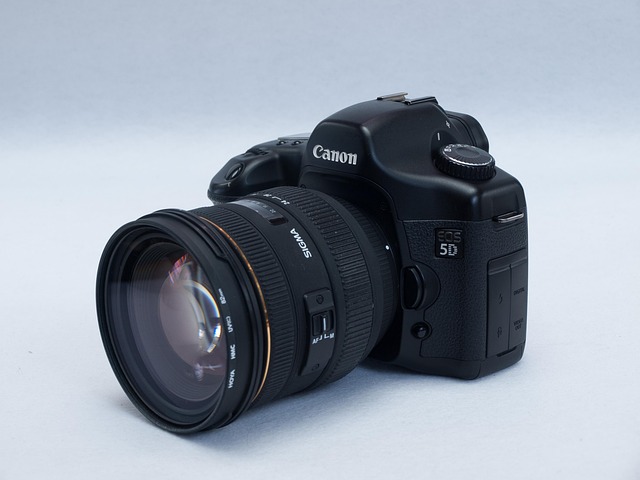
Next level photography means knowing your camera deeply is another essential step. Shooting in manual mode allows you to intentionally shape the image rather than react to what the camera thinks is correct. Experimenting with prime lenses, for example, can teach discipline and improve composition by forcing you to move rather than zoom.
Challenges such as shooting only one focal length, working with film, or limiting yourself to black and white photography can sharpen your creative instincts and break habitual patterns.
Improve your photography skills,this Is Only the First Step
All of the above; practice, lighting, composition, and technical mastery are crucial. But here’s the truth many photographers learn the hard way:
Great photography doesn’t end when you take the photo.
Post-production is not optional if you want to reach the next level. It is a core skill, just as important as shooting itself.
Why Post-Production Is Essential to Next-Level Photography
photography post-production workflow. Without the ability to control how your images look after they are captured, you are leaving a huge part of the creative process unfinished. Editing is where intention becomes reality. Where contrast, color, mood, and clarity are refined to match the vision you had when you pressed the shutter.
I learned this lesson early in my own journey as a photographer, and not in a gentle way.
I remember shooting model photos for a client and delivering the images straight out of the camera. I thought the job was done, the lighting was decent, the poses worked, and the photos were sharp. When I handed over the unedited images, her reaction was immediate and intense. She was furious that I couldn’t even perform a basic color correction.
At the time, it felt harsh. Looking back, she was absolutely right.
Photography post-production workflow -My Journey Into Photo Editing

That moment changed how I approached photography forever. I realised that no matter how good a photo is in-camera, it is incomplete without thoughtful post-production.
Like many photographers, I started with simple tools. Google Picasa was my first introduction to editing, basic adjustments, exposure tweaks, and color correction. It wasn’t powerful, but it taught me the importance of finishing an image.
From there, I moved into Adobe Photoshop, learning retouching, layers, masks, and deeper control over tone and color. Later came Adobe Lightroom, which transformed how I approached workflow, consistency, and color grading across entire shoots. I also spent time working with Affinity Photo, appreciating its powerful capabilities and alternative approach.
Each tool taught me something different, but the biggest lesson remained the same: editing is not cheating, it is authorship.
This realisation eventually led to the creation of my dedicated platform offering professional photo editing and retouching services, a direct spin-off from my photography journey and years spent mastering post-production techniques.
How to Take Your Photography to the Next Level – Editing Is Where Style Is Born
Your photographic style doesn’t truly exist until you control your post-production. Color grading, contrast, skin tones, and tonal balance all shape how your work is perceived. Two photographers can shoot the same scene, but their edits will tell completely different stories.
Post-production allows you to:
Correct technical imperfections
Enhance mood and atmosphere
Create visual consistency
Express personal style
Deliver professional results to clients
Without these skills, you will always be limited, no matter how well you shoot.
Learn, Seek Feedback, and Track Progress
Growth also comes from feedback and reflection. Join photography groups, seek mentors, or share your work with peers who will challenge you constructively. Curate your best images regularly and compare them to older work—you’ll see progress that motivates you to push further.
Study photographers you admire, not just how they shoot but how they edit. Try recreating looks to understand the decisions behind them.
Conclusion: True Next-Level Photography Is Complete Control
Taking your photography to the next level starts with mastering the fundamentals—but it doesn’t end there. Shooting is only the first half of the process. Post-production is where your vision is completed, refined, and fully realized.
If I had never learned photo editing—never moved beyond basic tools, never mastered software like Photoshop, Lightroom, or Affinity Photo—I would not have truly achieved next-level photography. Editing gave me control, confidence, and consistency. It turned images into finished work.
Next-level photography isn’t about better gear or luck. It’s about complete creative control, from capture to final image.
Frequently Asked Questions About Next Level Photography
What is the fastest way to take your photography to the next level?
Consistent shooting, understanding light, and mastering post-production are the fastest ways to take your photography to the next level. Editing allows you to refine your vision and deliver professional-quality results.
Is photo editing necessary for next level photography?
Yes. Without post-production skills, photographers lack full creative control. Editing is essential for color correction, mood, consistency, and achieving a professional finish.
Which photo editing software should photographers learn?
Adobe Lightroom and Photoshop are industry standards, while tools like Affinity Photo offer powerful alternatives. The best software is the one that allows you to control your workflow and creative output.
Can great photos come straight out of the camera?
While some images may look good unedited, next level photography almost always involves post-production to enhance tone, color, and emotional impact.
Taking your photography to the next level doesn’t stop when you put the camera down. The real transformation happens when you learn how to shape, refine, and finish your images with intention.
If you’re serious about next level photography but feel limited by your post-production skills—or simply want professional results without the steep learning curve—I can help. My journey as a photographer led me to specialise in high-end photo editing and restoration, ensuring images reach their full potential. Get in touch or follow My Blog for news, photography tips and advice.